

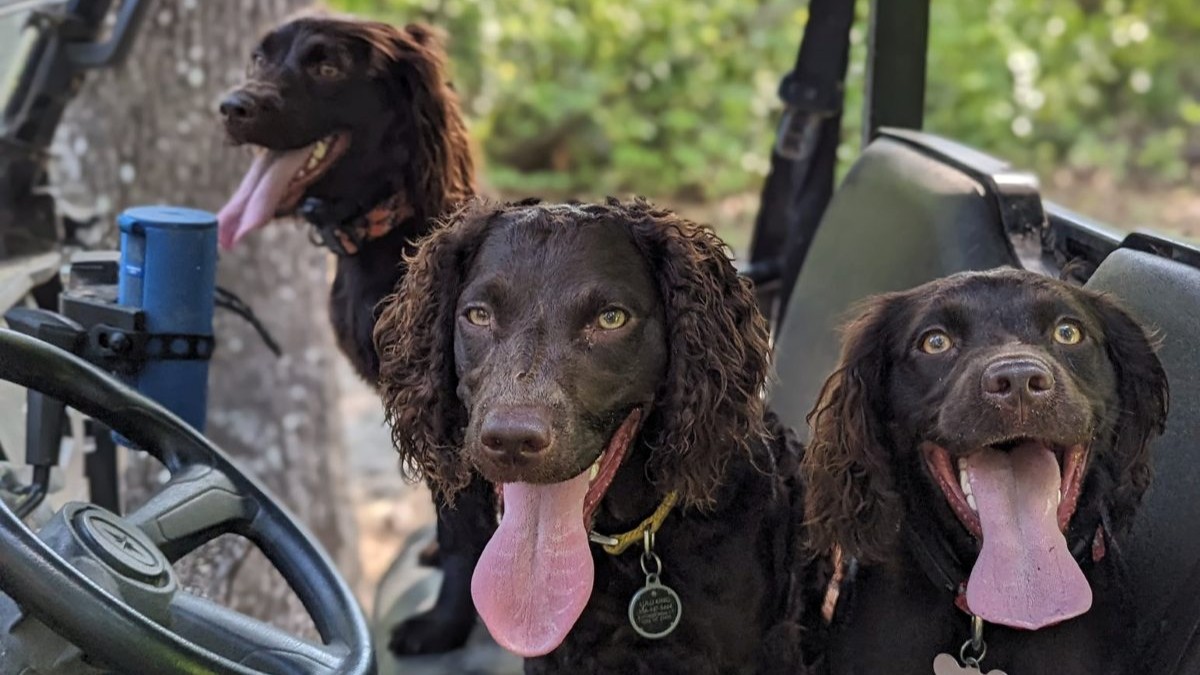
The Boykin Spaniel is a versatile, medium-sized sporting dog developed in the early 1900s for waterfowl and upland hunting, prized for its intelligence, steady temperament, and strong work ethic. Known as the “Little Brown Dog,” the breed excels as both a capable hunting companion and a loyal family dog, combining drive in the field with a calm, affectionate nature at home. As interest in Boykin Spaniels continues to grow, preserving the breed’s health, temperament, and original purpose has become increasingly important. Responsible breeding, adherence to breed standards, and thoughtful stewardship ensure the Boykin Spaniel remains the reliable, well-balanced sporting breed it was meant to be for future generations.
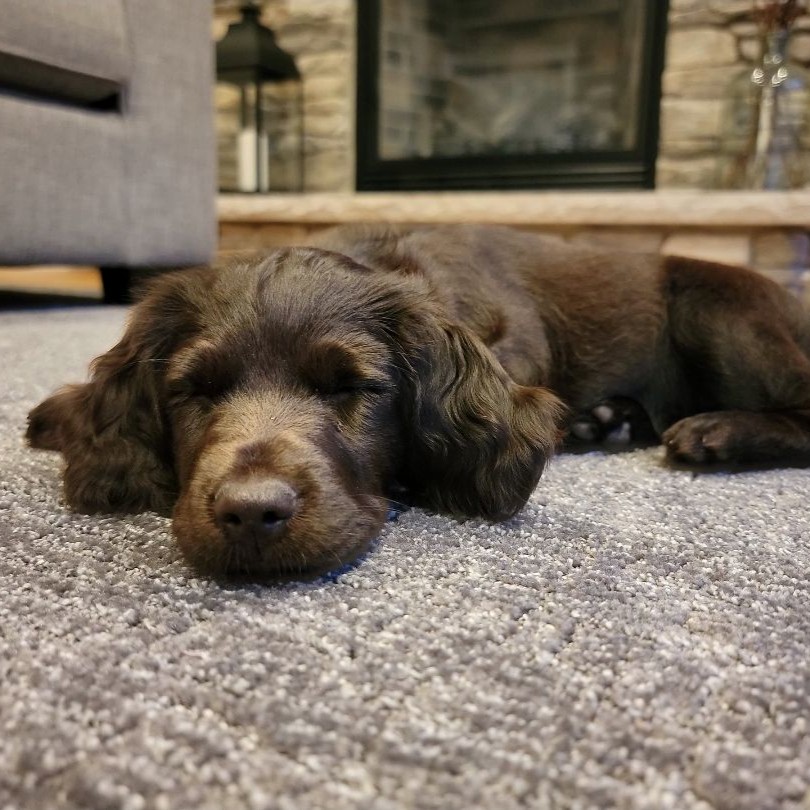
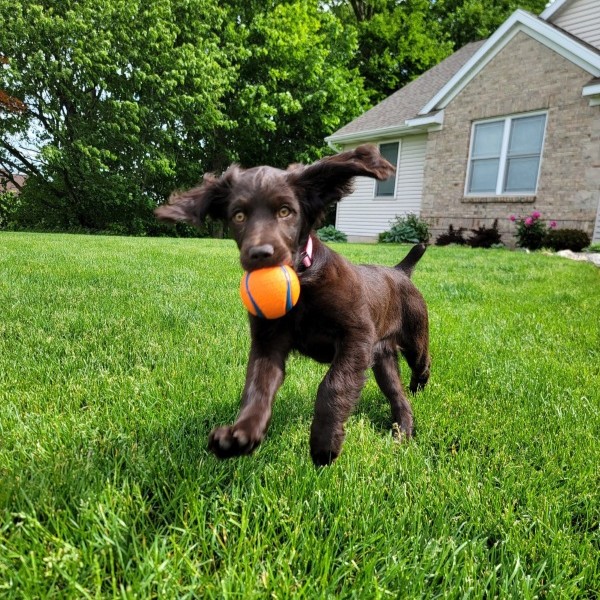
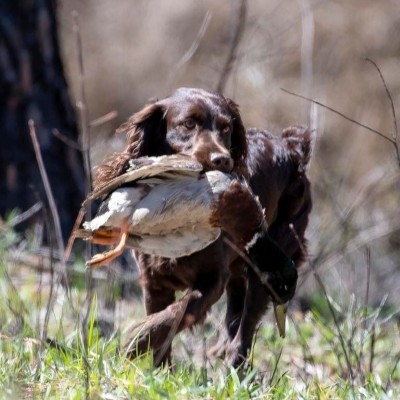
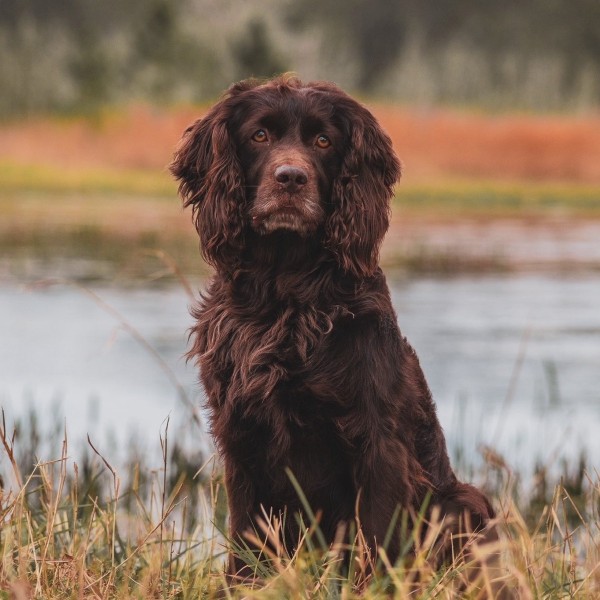
The Boykin Spaniel was developed in South Carolina in the early 1900s as a compact, versatile hunting dog built for work in the swamps, marshes, and tight cover of the South.
Bred from small spaniels and retrievers known for their drive and steady temperament, the “Little Brown Dog” quickly earned a reputation as a reliable waterfowl and upland partner. Over time, the Boykin Spaniel’s intelligence, trainability, and even-keeled nature made it just as trusted in family homes as it was in the field.
Today, the Boykin Spaniel remains a sought-after sporting breed, valued for its hunting ability, warm disposition, and the strong bond it forms with its owners.
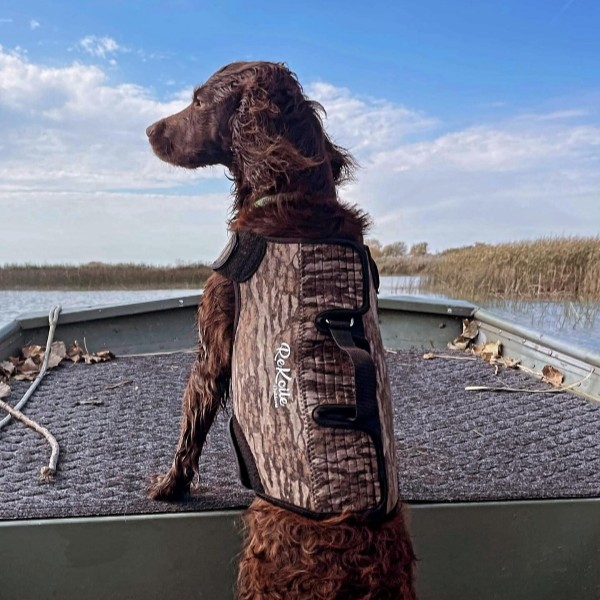
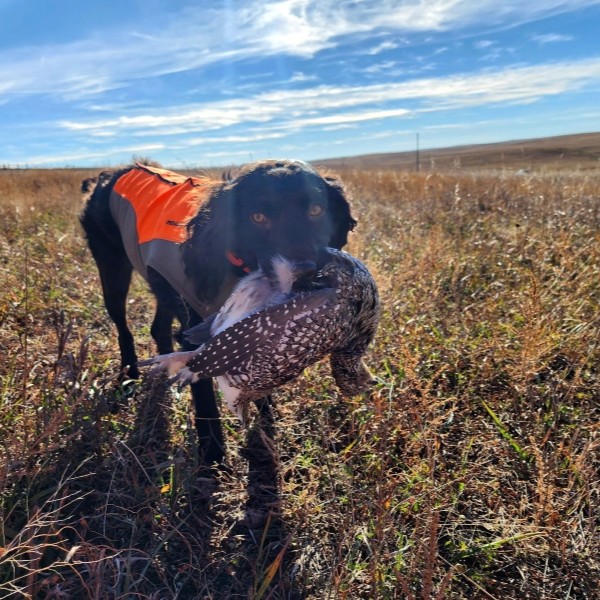
The Boykin Spaniel is known for its natural drive and versatility in the field, making it a reliable partner across upland hunting, waterfowl retrieves, and a variety of dog sports.
In upland work, Boykins show strong quartering instincts, a steady nose, and the endurance to push through thick cover. For waterfowl, their compact build and webbed feet give them powerful swimming ability and efficient retrieves, even in cold water.
Their agility, responsiveness, and enthusiasm also make them strong competitors in agility trials, dock diving, and other performance events. At their core,
Boykins are eager workers with a balanced mix of focus, stamina, and biddability, making them one of the most adaptable sporting breeds in the field today.
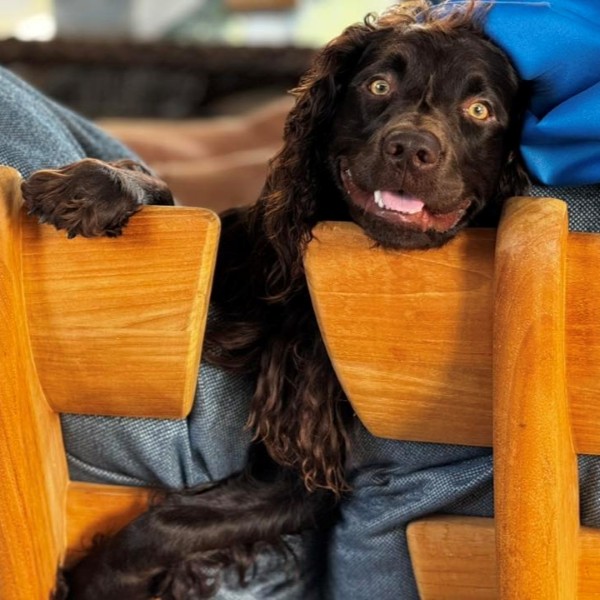
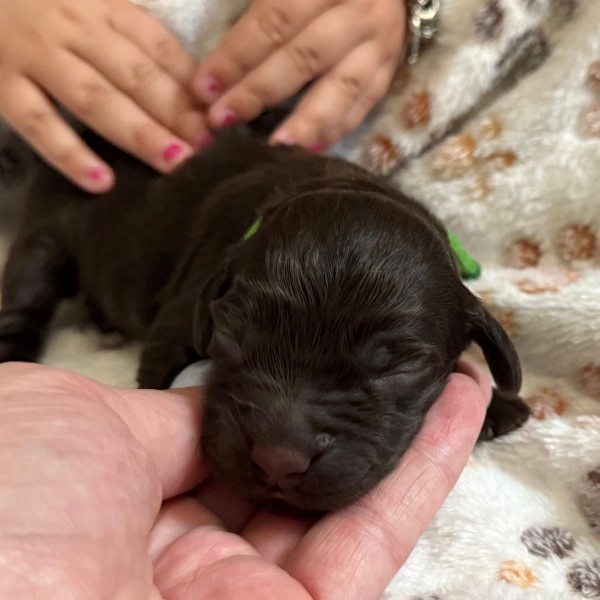
We've had Boykins of our own for longer than we've bred them. It was our love for very first Boykin that sparked our passion for the breed. To this day, we cannot imagine a household without a little brown dog or two in it and certainly won't be hunting anytime soon without one at our side.
Though a moderate energy dog breed, a Boykin needs plenty of daily exercise, not just for their legs, but for their brain as well. A game of fetch will suffice for a short period of time, but it's in the field that these dogs expend the most energy. With their nose to the ground, the Boykin will change direction quickly, wagging their little tails faster than a hummingbird beats its wings. This type of mental stimulation and physical exertion is often times the only way to wear them out. Like many active sporting dog breeds, a good dog is a tired one. A Boykin that is acting up around the house is usually a Boykin that hasn't gotten enough exercise.
Brambleberry Tip: In addition to walks, hikes and hunts, swimming is often the best bang for your buck in terms of exercise when you're short on time. Add in a little current and they'll be happy on the couch the rest of the evening!
The Boykin Spaniel ranks among the best bird dog breeds for upland and waterfowl hunting. The hunting instinct runs deep in this breed, and Brambleberry Boykins are no exception. Even as young pups, they react the moment they hear anything that resembles a bird call. That curiosity and alert posture shows up early and only sharpens with age.
As they grow, the simplest cue (a hand pointing skyward or the click of a loaded shotgun) is enough to lock their attention. Once introduced to the scent of upland birds, everything clicks. They drive their noses to the ground, their tails start that trademark Boykin wiggle, and you see exactly why this little brown dog earned its reputation as a driven bird dog and reliable hunting partner.
Brambleberry Tip: You can’t expose a young Boykin to bird scent too early. While letting a pup chew on wings is never good practice, supervised play with bird wings is a safe way to spark their natural drive. That early introduction helps them connect scent with purpose and becomes the groundwork for everything that follows in their training as a bird dog.
The way a Boykin tilts their head, perks their ears and fixates their eyes at the sound of something unfamiliar is enough to realize how interested they are in the world around them. The speed in which they are willing to get up and go is what so many Boykin owners love about the breed. The Boykin is highly capable of covering a lot of ground on foot, rapidly exploring all the nooks and crannies that might be hiding something interesting to them. Their strong ability to swim just makes the world that much bigger. Whether you're headed out to check the mail or venturing deep into the woods, the Boykin spaniel is always willing to come along.
Brambleberry Tip: Early training of simple commands such as, "Place", "Load up", "Stay" and "Okay", are invaluable for a Boykin that always want to tag along.
Talk about a dog breed that won't take "no" for an answer sometimes. In the duck blind, they'll eagerly wait for their moment to leap into the water with a big splash and have been known to bring back geese that are bigger than they are. In the field, the sight of a "bouncing Boykin" is a fresh reminder that the hunt's never over. Back home, they're going to keep trying to get the popcorn kernel that's fallen under the refrigerator. Even though you promise to them that there's nothing under there, trust them, there is.
Brambleberry Tip: These dogs know how to find things that you wouldn't otherwise be able to yourself. There's nothing like having the assistance of a Boykin who can locate a missing toy left in the yard by a child or lead you to an covey of grouse in dense forest timber.
Though male Boykins can sometimes be more affectionate than females, both will fall in love with anyone willing to give them the snuggles they deserve. Boykins truly love to cuddle up close to another dog and humans of all ages. Great with children, the Boykin is the perfect companion at the end of a long day. They are known to curl up near the head or between the legs of a human while in bed, or lay right on top of another dog. The best part about a loving Boykin spaniel is how relentless their love can be, even if you've only just come back home after running to the grocery store to pick up some milk.
Brambleberry Tip: Be prepared to fall in love with your new Boykin from the moment you first pick them up!
A Boykin spaniel will think everything is a toy at some point in their life. As a puppy, they'll eventually learn that the roll of toliet paper is off limits or that your shoes are for wearing, not chewing. Along this journey, they'll inevitably enjoy the odd game of "catch me if you can", but this too will end with appropriate discipline training. As they mature, each Boykin will have their favorite toys and games. For some, the best toy in the world is a giant stick. For others, a game of "Hunt It Up" is all they want. Boykins love to accompany children in the yard or playfully chase other dogs in circles. "Play" for a Boykin extends into the field and in the blind, where their natural instinct to hunt and retrieve comes out.
Brambleberry Tip: "Hunt It Up" is a simple scavenger hunt that trains a Boykin to use it's strong sense of smell to locate something. Start by putting the dog in their place and making them stay (their kennel, the mud room, their bed, etc.). Then hide one of their favorite toys, an antler or bird wing somewhere in the house or yard. Release the dog from their place with command "hunt it up!". This game is not only an engaging mind exercise, but translates perfectly to the field.
Along the lines of being a curious and determined dog breed, Boykins are known to be sneaky, which can sometimes get them into trouble. As puppies, they'll look for a quiet moment to sniff around the house in search of socks. In the yard, they may pick up on the scent of smaller animals such as rodents and won't give up on looking for them until they find them. In the field, other larger animals can perk their curiosity a bit too much and send them on a mission to track them down. Boykins benefit greatly from consistent training at a young age so that they are able to understand their boundaries. For a well-trained Boykin, simple commands such as "Leave it", "Enough" or "Stop" are a very important part of their vocabulary that help prevent their curious and determined minds from getting them into trouble.
Brambleberry Tip: Boykin-proofing a house is a real thing, especially when it comes to introducing Boykin puppies to your home. If you get into the habit of closing doors to the bathrooms, children's rooms, closets etc., they'll eventually learn what areas of the house and items are off limits. For some reason though, they all seem to have some level of interest in socks, underwear and tissue paper, escpecially those found in the hamper or trashcan.
Boykins can develop food allergies or environmental sensitivities, which sometimes show up as itchiness or ear infections.
How we reduce risk: We avoid breeding lines with known chronic skin issues and focus on overall health, strong immune systems, and proper nutrition for growing puppies.
Hip dysplasia is a structural issue that can lead to arthritis and decreased mobility. Like most sporting breeds, Boykins can be predisposed.
How we prevent it: All breeding dogs receive OFA or PennHIP evaluations before being added to our program. Only dogs with passing scores or excellent joint structure are bred.
Collie Eye Anomaly (CEA) is a congenital eye condition that can affect vision. While less common in Boykins than in some other breeds, it is still part of responsible screening.
How we prevent it: We test all sires and dams for CEA and make breeding decisions that reduce the likelihood of producing affected puppies.
This condition involves the kneecap slipping out of place, causing lameness or discomfort.
How we prevent it: We have all breeding dogs screened by a veterinarian and only breed dogs with strong orthopedic evaluations.
DM is a progressive spinal cord disease seen in several sporting breeds. Symptoms often appear later in life and resemble ALS in humans.
How we prevent it: All breeding dogs are DNA tested for DM. We only use pairings that avoid producing affected offspring.
EIC is an inherited neuromuscular condition that can cause weakness or collapse after intense activity. It is caused by a recessive gene mutation.
How we prevent it: We DNA test every breeding dog for EIC through an approved laboratory. Only pairings that prevent affected puppies are used, ensuring no puppy is born with EIC.
Some Boykin Spaniels may develop subaortic stenosis (SAS) or other congenital heart conditions.
How we prevent it: We consult with veterinarians familiar with the breed and avoid breeding any dog with a detected heart murmur or known hereditary cardiac concern.
Their floppy ears and active lifestyle make Boykins prone to ear infections, especially in wet climates or heavy hunting seasons.
How we manage it: We educate all puppy buyers on proper ear care, drying, and routine cleaning to prevent infections throughout the dog’s life.
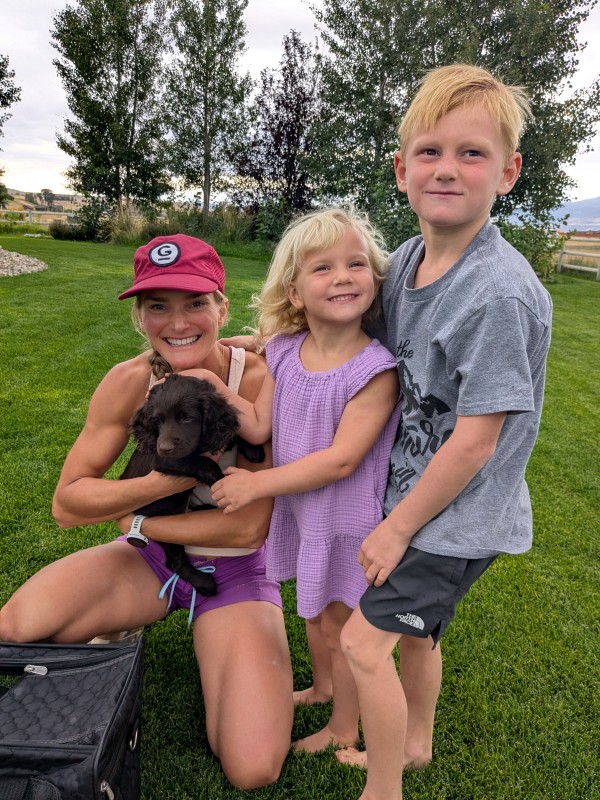

Brambleberry Boykins have earned a reputation for producing steady, well-rounded dogs that perform in the field and live comfortably in the home. Their pups show natural drive early on, picking up bird scent and basic skills with an ease that tells you the breeding is sound. When people talk about wanting a Boykin that “does it all,” Brambleberry Boykins is usually what they have in mind.
Brambleberry Boykins have earned a reputation for producing steady, well-rounded dogs that perform in the field and live comfortably in the home. Their pups show natural drive early on, picking up bird scent and basic skills with an ease that tells you the breeding is sound. As they mature, they carry that same enthusiasm into real hunting situations, handling upland and waterfowl work
d. As they mature, they carry that same enthusiasm into real hunting situations, handling upland and waterfowl work with confidence. Just as important, they settle nicely indoors and bond closely with their families. The combination of temperament, trainability, and instinct makes these dogs dependable partners season after season. When people talk about wanting a Boykin that “does it all,” Brambleberry Boykins is usually what they have in mind.